Series A Pitch — Fintech SaaS
A fourteen-slide investor narrative built in five days — animated counters, competitive matrix, and a market-size visualisation that finally framed the opportunity right.

Six slides from the finished deck.
This is the same render path the deck engine uses — not a screenshot. Hover to pause, arrow keys to navigate.
Hover to pause. Use arrow keys, dots, or the chevrons. This is not a screenshot — it’s the same render path used by the deck engine.
AI first draft → human final
Drag the handle to compare. The slide on the left is what the AI returned. The slide on the right is what shipped. The page below explains what changed and why.
Brief
Founders had a working product, £180k MRR, and seven weeks to close a £4M round. Their existing deck was nineteen slides of feature lists, no narrative arc, and a market chart that buried the wedge.
We had five working days. The brief was clear: a deck that holds attention without speaker notes, makes the opportunity feel inevitable, and survives a partner-meeting deep-dive.
Constraints
- Audience. Series A funds with portfolio exposure to adjacent fintech bets — they'd seen the market thesis before. The deck had to find a fresh angle, not re-pitch the obvious.
- Brand. Light, but workable. A teal-tinted wordmark, a body sans, and one editorial display face. We respected what existed and tightened the rest.
- Honesty. Real metrics, real pipeline, real risks. No glossing.
Process
The AI co-pilot drafted a fourteen-slide structure in twelve minutes from the brief, the existing deck, two pitch transcripts, and a market-research PDF. The Strategy Critic flagged three weak narrative beats — including a vague "why now" that conflated regulatory and behavioural drivers. A senior designer rewrote those slides over two sessions, the Brand Compliance expert checked every page against the brand kit, and the Audience Fit reviewer pressure-tested the deck against three named target funds.
Total AI time: approximately ninety minutes across drafting and critique passes. Total human time: approximately eleven hours across one senior designer and one strategist.
What we changed and why
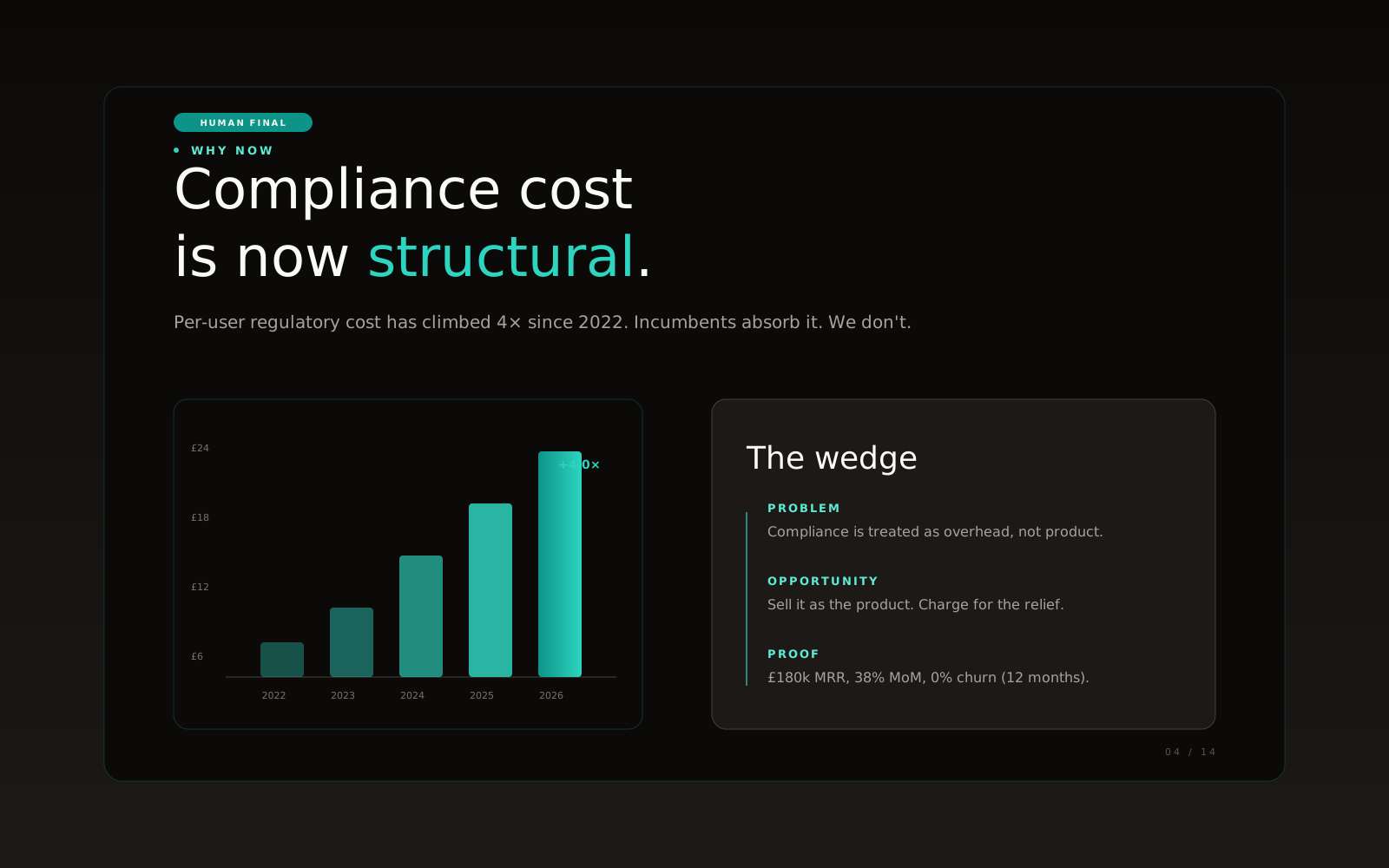
The first AI draft opened with a market-size slide — competent, but generic. The Strategy Critic flagged it as a soft start: "every fund has seen TAM/SAM/SOM by Wednesday." Our senior strategist replaced it with a single chart of regulatory cost-per-user climbing 4× since 2022, paired with a one-line claim about who absorbs that cost and who doesn't. The fund partners we tested it on opened with a question about that chart — exactly what we wanted.
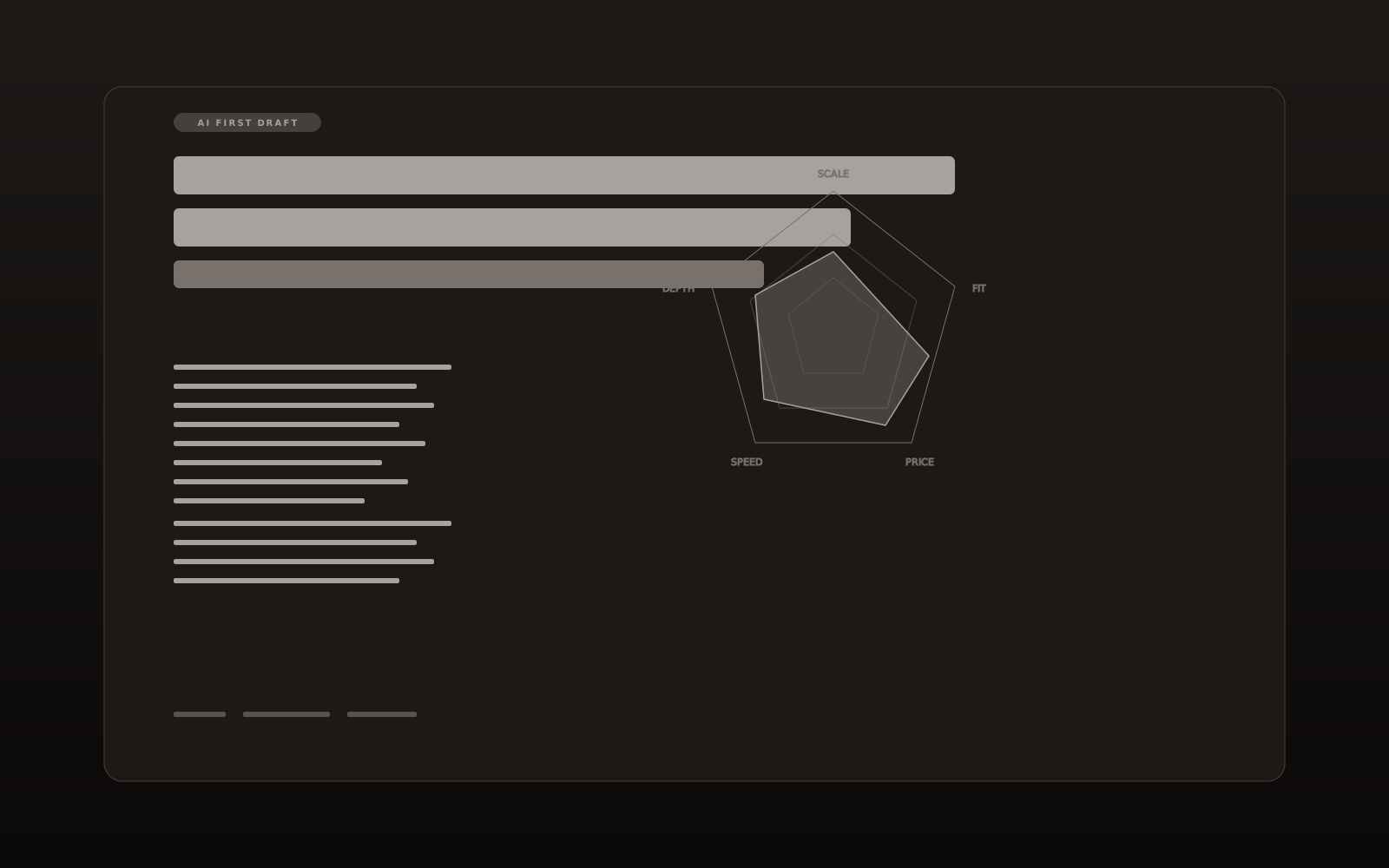
The competitive matrix on slide nine started as a four-axis radar. It looked thorough and said nothing — every player scored similarly and the founder's wedge disappeared. We collapsed it to a two-axis grid with one variable that genuinely separated them. The visual got simpler, the narrative got sharper, and the slide stopped trying to be a defence and started being an argument.
“I sent this deck to twelve funds and got nine first meetings. The narrative did the heavy lifting before we ever opened our mouths.”
Working on something similar?
Brief us in five minutes. Senior review back within four hours.
Start a brief