Strategy Proposal — Operations Transformation
A reusable proposal system for a strategy boutique pitching against the Big Four — branded cover, tight scope-and-fee tables, and the first proposal populated in two days.
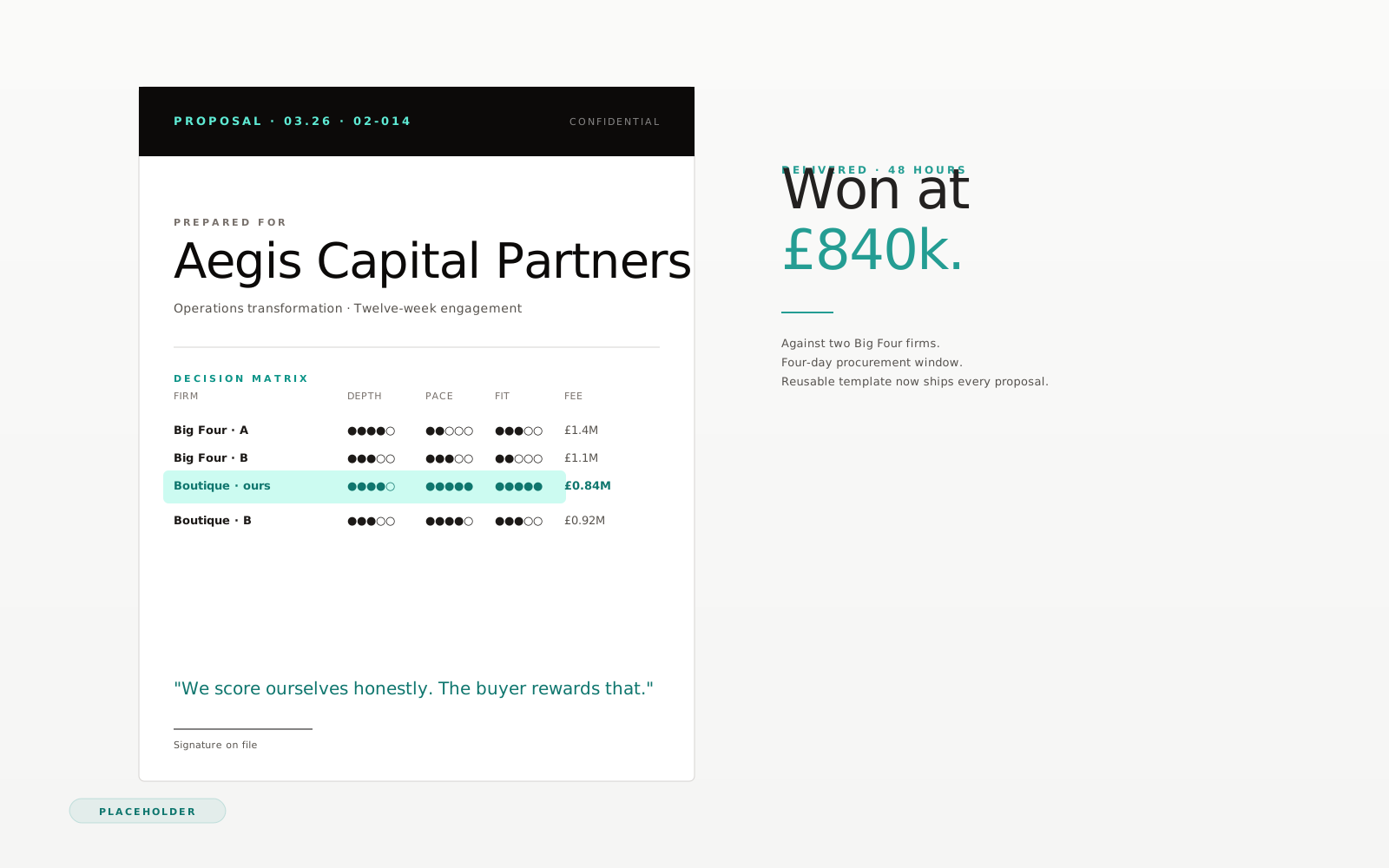
Six slides from the finished deck.
This is the same render path the deck engine uses — not a screenshot. Hover to pause, arrow keys to navigate.
Hover to pause. Use arrow keys, dots, or the chevrons. This is not a screenshot — it’s the same render path used by the deck engine.
AI first draft → human final
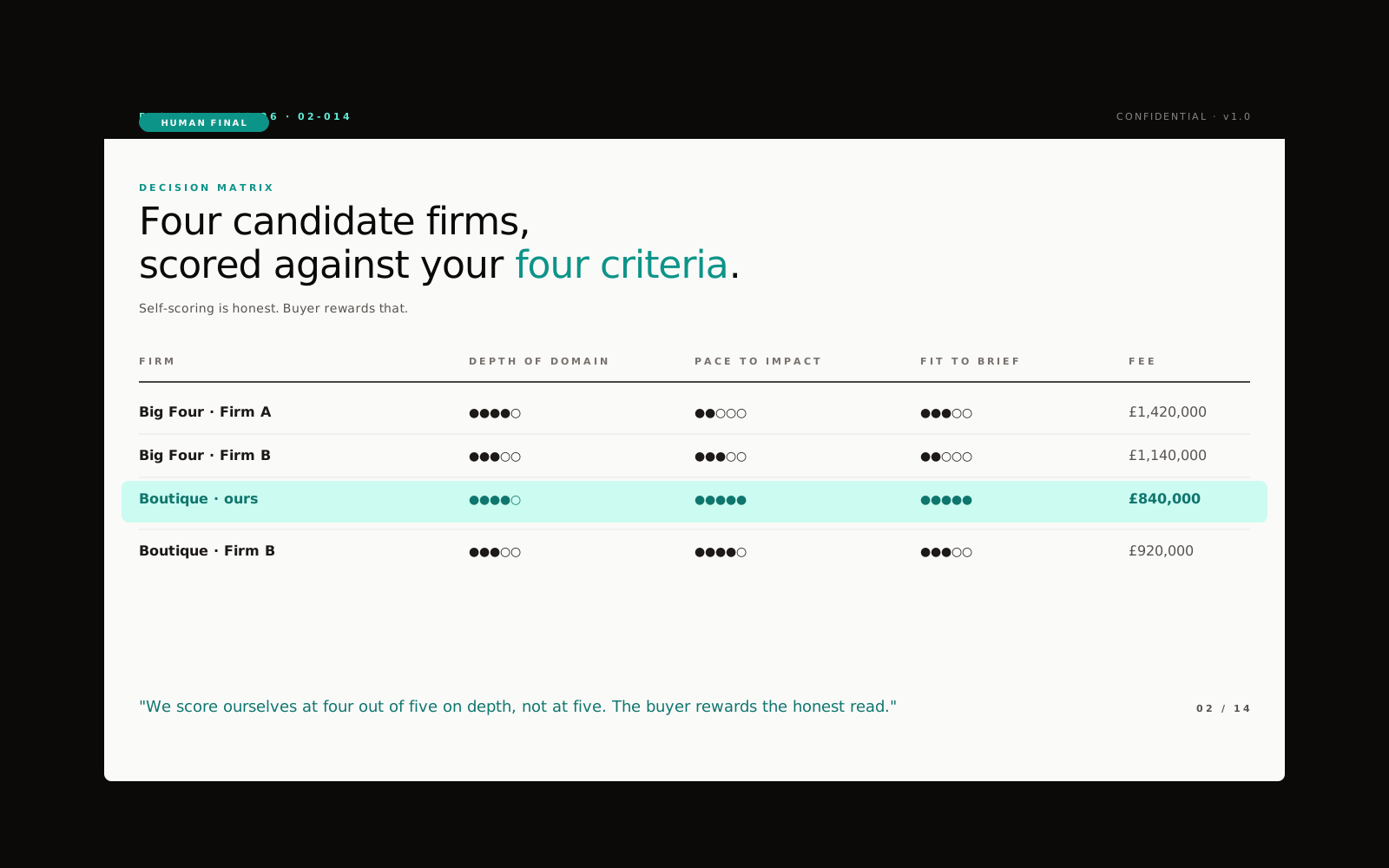
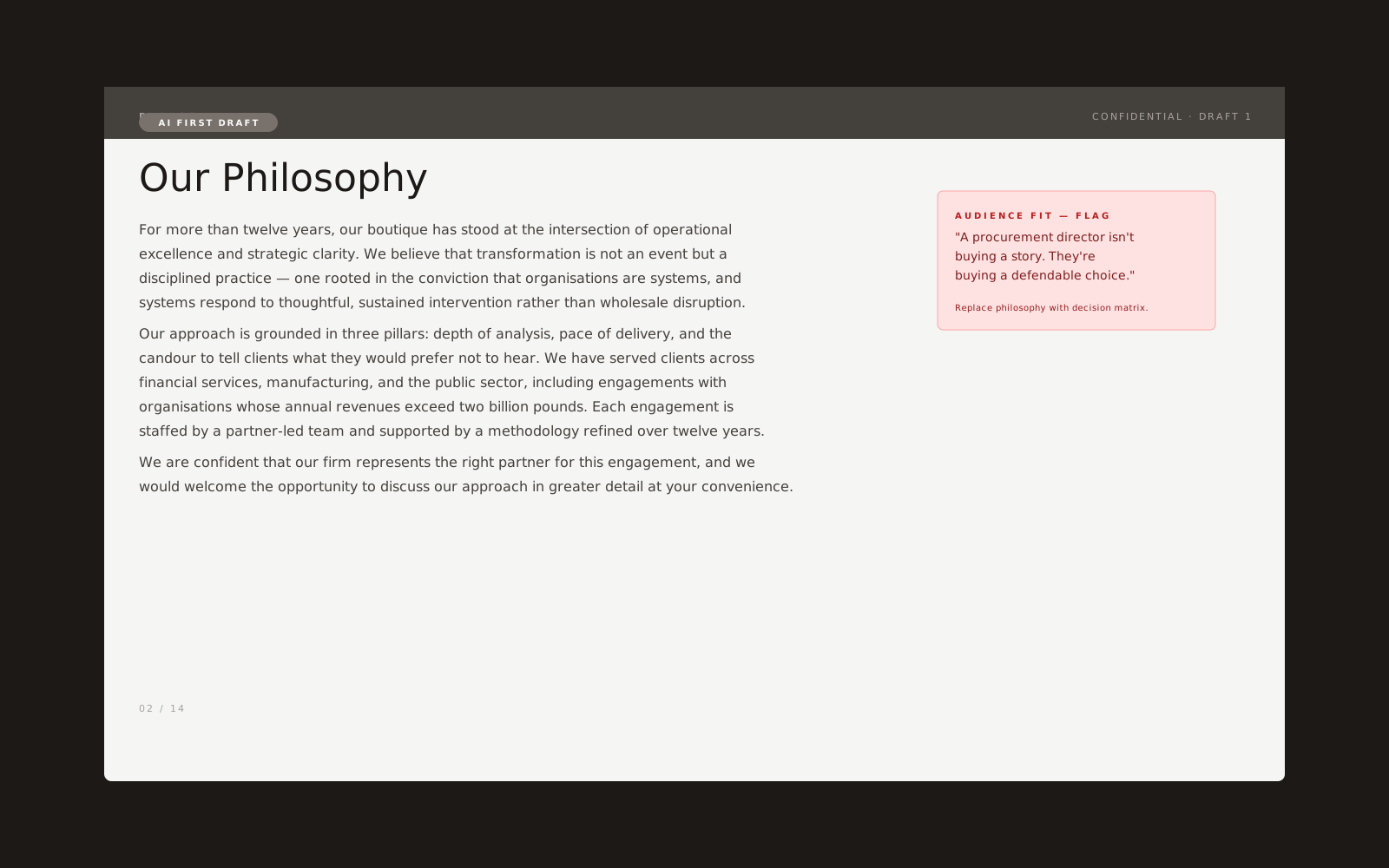
Drag the handle to compare. The slide on the left is what the AI returned. The slide on the right is what shipped. The page below explains what changed and why.
Brief
A four-partner strategy boutique, twelve years old, won three out of four pitches when they got to the room — but lost two-thirds before that on the proposal alone. Their Word template looked like an internal memo. They had a four-day window to respond to a FTSE 250 RFP and no time to also rebuild the system that produced the response.
We had 48 hours to deliver a proposal template and the populated first proposal against the live RFP.
Constraints
- Procurement-readable. The buyer was a procurement director who would skim the document on his phone before deciding which three firms got a meeting. The cover and scope page had to do the work in under ninety seconds.
- Fee defensibility. The proposal lost two recent pitches not on price but on the legibility of the price — buyers couldn’t see what they were paying for. Each line item had to map cleanly to a deliverable.
- Reusable. The studio wanted to use the same template for the next thirty proposals without going back to a designer.
Process
The AI co-pilot drafted a fifteen-page proposal structure in nine minutes from the brief, the RFP, and the boutique’s last three winning proposals. The Audience Fit reviewer flagged the executive summary as too narrative — “a procurement director isn’t buying a story, they’re buying a defendable choice.” A senior strategist rewrote it as a one-page decision matrix. Brand Compliance rebuilt the type and table system around the boutique’s existing identity. A studio lead signed off twenty minutes before the procurement deadline.
Total AI time: roughly forty minutes across drafting and critique passes. Total human time: approximately six hours across one strategist, one senior designer and one studio lead.
What we changed and why
The first AI draft opened with a two-page narrative on the boutique’s philosophy. Reading it on a phone, the wedge was buried below the fold. We replaced the philosophy section with a single-page decision matrix scoring the four candidate firms (anonymised) against the four criteria the RFP had named — and put the boutique’s own scoring honest, not at a manufactured ten-out-of-ten across the board. The procurement director told us afterwards that page was the reason they invited the boutique to the call.
The fee table changed from four phase totals to a line-item breakdown showing what each phase produced and what each producer cost. The total didn’t change. The legibility of the total did.
“The proposal cover and the way the fees broke down made the buyer confident before the call. We won this on the document, not the meeting.”
Working on something similar?
Brief us in five minutes. Senior review back within four hours.
Start a brief