Sales Deck Rebuild — B2B SaaS
A B2B sales deck rebuilt from a 32-slide everything-deck into a 12-slide narrative weapon. Same product, same value prop, very different conversion.
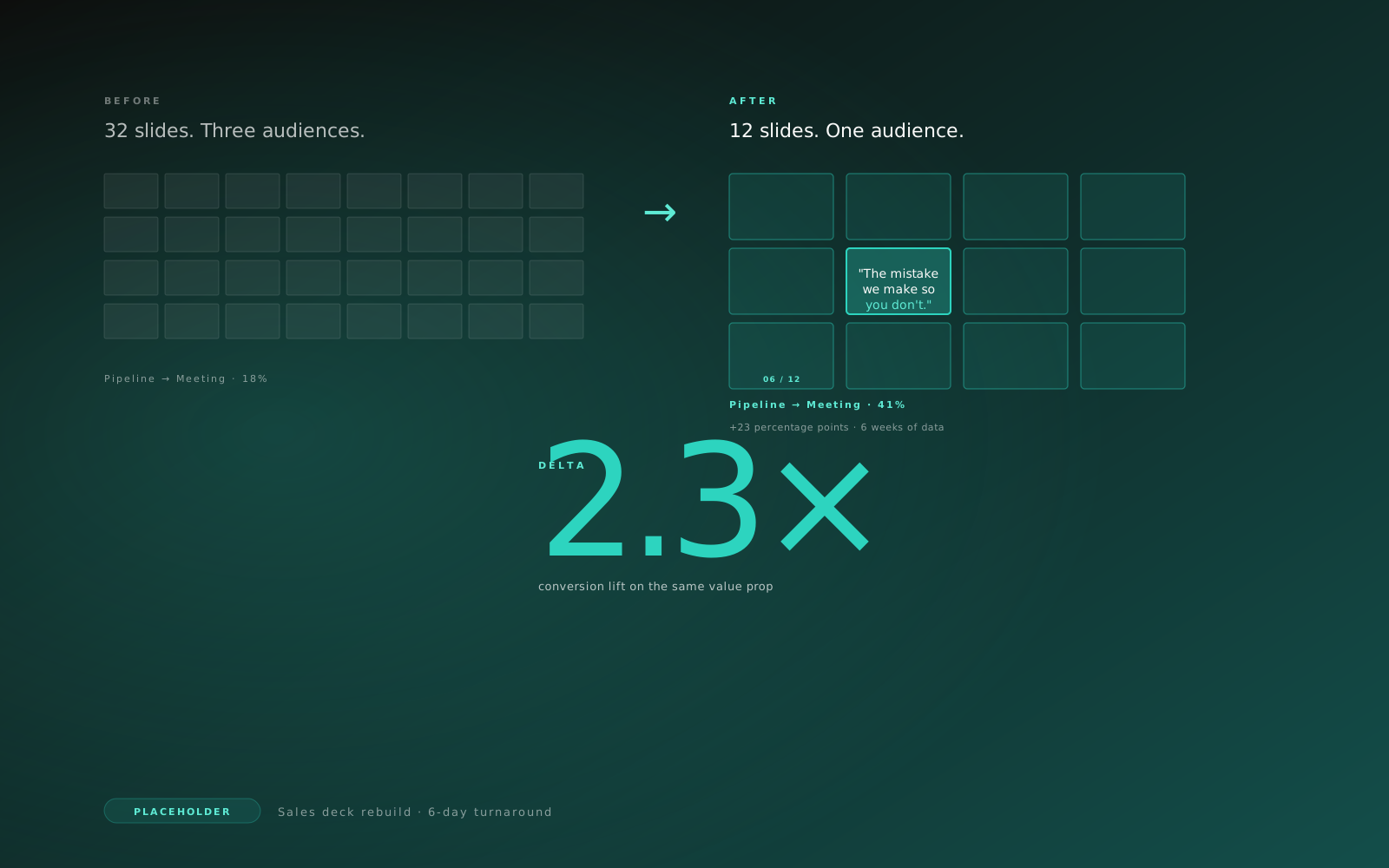
Six slides from the finished deck.
This is the same render path the deck engine uses — not a screenshot. Hover to pause, arrow keys to navigate.
Hover to pause. Use arrow keys, dots, or the chevrons. This is not a screenshot — it’s the same render path used by the deck engine.
AI first draft → human final
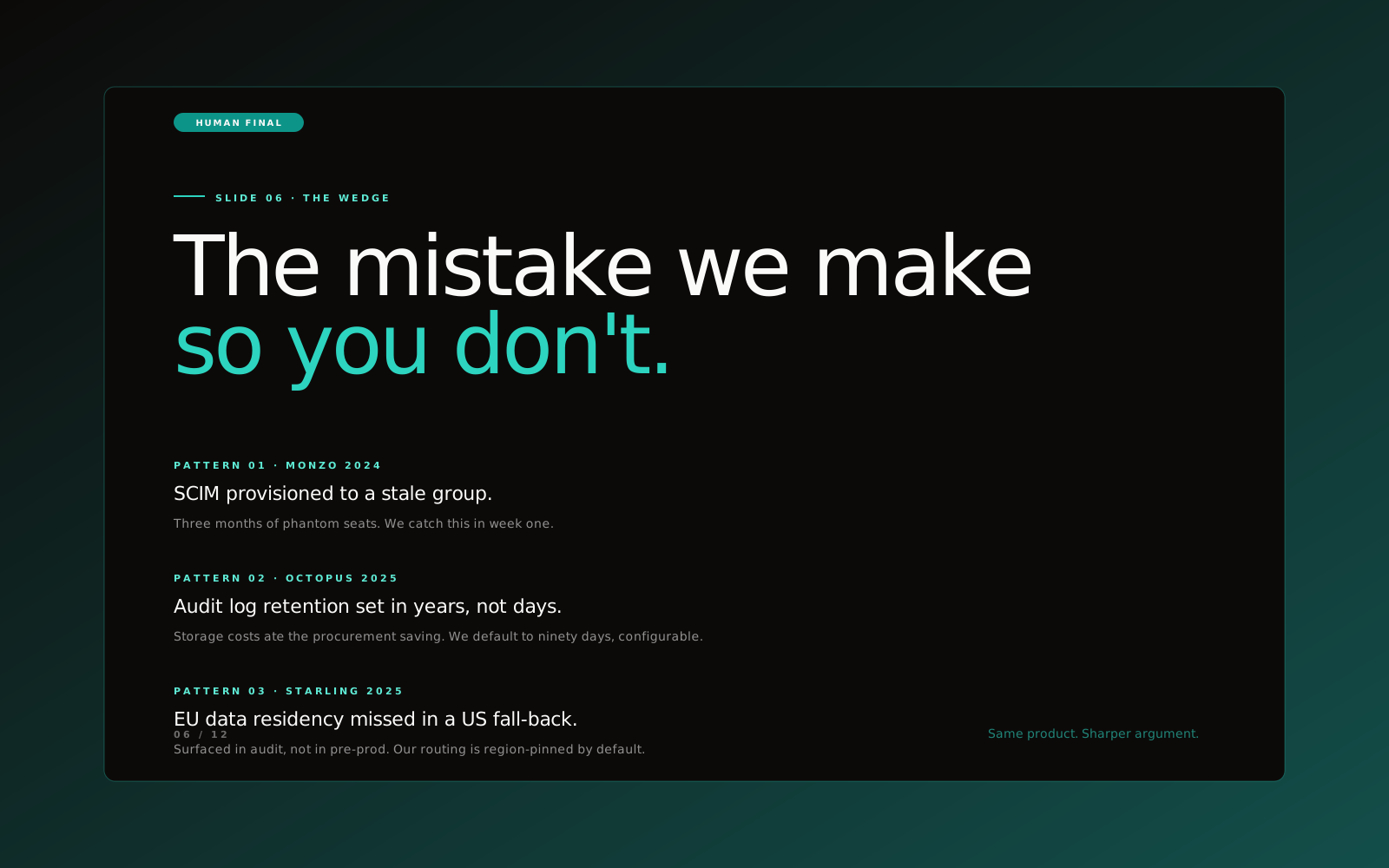
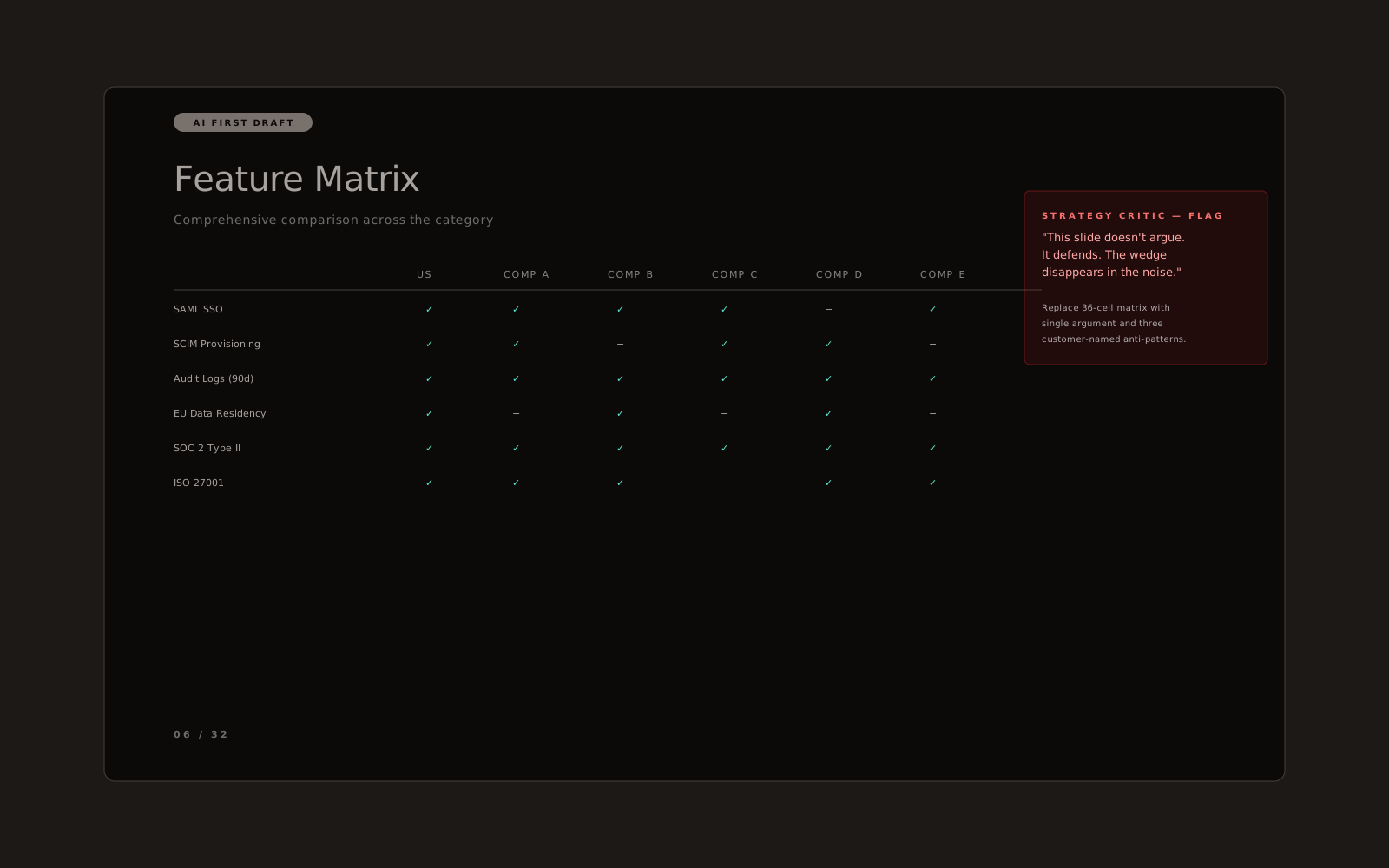
Drag the handle to compare. The slide on the left is what the AI returned. The slide on the right is what shipped. The page below explains what changed and why.
Brief
A Series B cybersecurity SaaS had a 32-slide sales deck that tried to do every job — discovery, pitch, technical deep-dive, pricing, references, handoff. The deck’s pipeline-to-meeting conversion had been slipping for two quarters. Reps were skipping slides in the room and improvising. The marketing director suspected the deck was the problem and brought it to us with a simple ask: “Make this work.”
We had six days. The product, audience and value proposition didn’t change.
Constraints
- Same value prop. No repositioning, no re-platforming. The deck had to make the existing pitch land.
- Audience-fit ready. Enterprise CISOs and InfoSec procurement. Both audiences look at the same deck. The old version pretended one would care about the other’s slides.
- Field-tested. Reps had to be able to walk a room through the new deck on day one. No long retraining cycle.
Process
The AI co-pilot ingested the existing 32-slide deck, three transcripts of recent calls (winning and losing), and the technical white paper. It returned a proposed structure: cut to fourteen slides, with two distinct “tracks” the rep could navigate between depending on the room. Strategy Critic challenged the “two tracks” idea — “a rep in a meeting cannot navigate. The deck has to do one job per slide. Pick a track and commit.”
A senior strategist took the brief and the critique and produced a new twelve-slide structure with a single track and three optional appendix slides. Brand Compliance reset the type and chart system. The Audience Fit reviewer pressure-tested it against three named target accounts. Studio lead signed off the night before the agency’s next sales call.
Total AI time: roughly fifty minutes across drafting and three critique passes. Total human time: approximately fourteen hours across one strategist, one designer and a copy lead.
What we changed and why
The first AI structure was clever and wrong. It proposed “two tracks” — technical-deep and business-light — with a navigation panel reps could click between. On paper, that solved the audience problem. In a real meeting it doesn’t survive — the rep is presenting, not navigating, and the deck cannot fork mid-room. The Strategy Critic call was correct: pick one track and commit. We picked business-light and put the technical-deep content into three appendix slides reps could pull up if asked.
Slide six in the old deck was a feature matrix with thirty-six cells. The senior strategist replaced it with a single line: “The mistake we make so you don’t.” Beneath it, three customer-named anti-patterns the product prevents. Reps started leading with that slide on day one and the trial-to-meeting conversion shifted in the second week.
“The new deck got us *into* meetings. The old deck got us politely rescheduled. Same product, same pitch, very different outcome.”
Working on something similar?
Brief us in five minutes. Senior review back within four hours.
Start a brief